Session Information
Session Information
Session 1: Opening Session
Monday, August 3, 2026
11:00 AM — 11:15 AM
Lauren Kim, Allison Kim, and Dr. Jason Kim
The Opening Session introduces the Diabetes Virtual Camp team (Lauren Kim, Allison Kim, and Dr. Jason Kim) and discusses the program goals, session format, Zoom policies, learning objectives, pre- and post-session Q&A periods, open-mic forum, and post-session tasks of our program. We will also discuss the requirements for receiving a program certificate after completing the program.
Session 2: Introduction to Diabetes
Monday, August 3, 2026
11:15 AM — 12:15 PM
Dr. Jason Kim
University of Massachusetts Chan Medical School
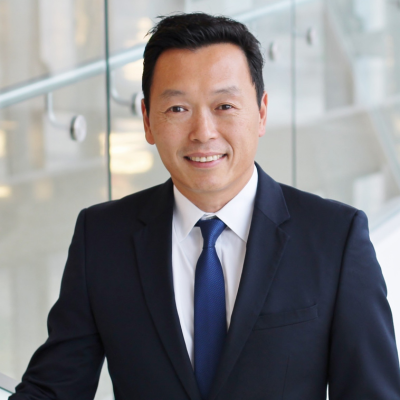
This session introduces diabetes: different types and diagnostic criteria of diabetes, characteristics and etiologies of type 1 and type 2 diabetes, diabetic complications and comorbidities, the importance of glucose homeostasis and how insulin regulates glucose metabolism, insulin signaling and insulin secretion by the beta-cells, insulin resistance and pre-diabetes, and progressive events during the development of type 2 diabetes. The session further discusses how to prevent and manage type 2 diabetes using lifestyle modifications (diets and exercise) and different drugs for treating diabetes.
Session 3: Pharmacological Blockade of the Growth Hormone Receptor in Acromegaly & Cancer
Wednesday, August 5, 2026
11:00 AM — 11:35 AM
Dr. John Kopchick
Ohio University Heritage College of Osteopathic Medicine
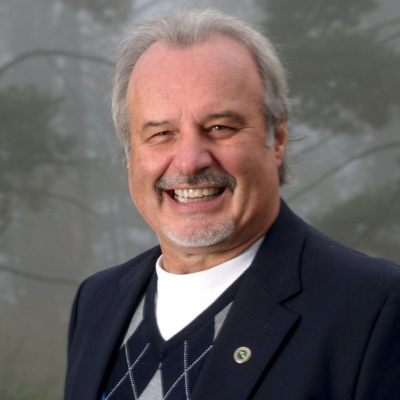
This session introduces a short history of growth hormone/growth hormone receptor (GHR) and its actions. The session discusses the discovery of a GHR antagonist and the clinical use of a GHR antagonist in acromegaly and cancer. The session further presents the longest-lived laboratory mouse and healthy aging.
Session 4: When Fat Goes to the Wrong Places: Solving the Mystery of Insulin Resistance
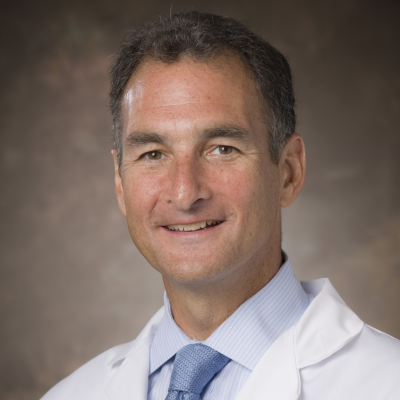
When fat accumulates in organs such as the liver and muscle instead of being stored safely in fat tissue, it can interfere with insulin action and lead to type 2 diabetes. This session explores the scientific discoveries that uncovered this mechanism and highlights exciting new therapies that work by helping cells burn excess fat, offering new hope for preventing and treating diabetes.
Wednesday, August 5, 2026
11:40 AM — 12:15 PM
Dr. Gerald I. Shulman
Yale School of Medicine
Session 5: Balancing Risks and Benefits of GLP-1-based Therapies in Type 1 Diabetes
Friday, August 7, 2026
11:00 AM — 11:35 AM
Dr. Giulio Romeo
Harvard Medical School
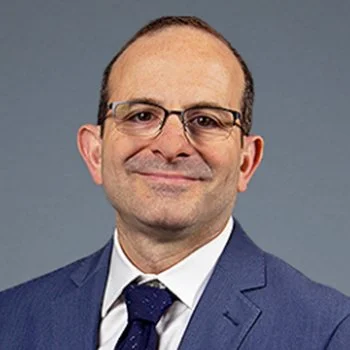
This session outlines mechanisms of action of glucagon-like peptide (GLP-1)-based therapy. Also, this session reviews current evidence for the use of GLP-1-based therapy in people with type 1 diabetes, focusing on risks and benefits specific to this population. Finally, advocacy efforts to ensure equitable access to GLP-1 receptor agonists are discussed.
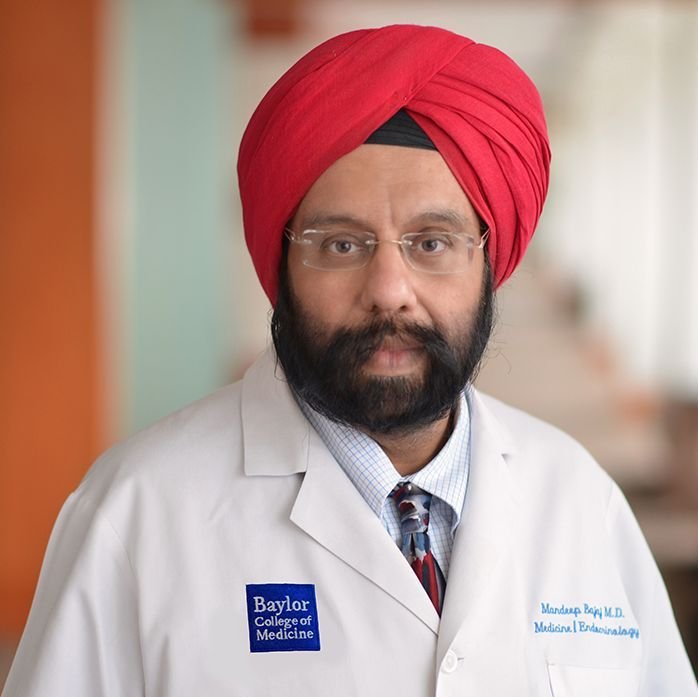
Session 6: Metabolic Dysfunction-Associated Steatotic Liver Disease in Type 2 Diabetes - What is New
Friday, August 7, 2026
11:40 AM — 12:15 PM
Dr. Mandeep Bajaj
Baylor College of Medicine
This session highlights the link between insulin resistance and metabolic dysfunction-associated liver disease (MASLD) and further outlines the effects of PPAR agonists and GLP-1 receptor agonists on hepatic fat and glucose metabolism. This session also provides an overview of clinical trial results and current guidelines for care of people with type 2 diabetes and MASLD.
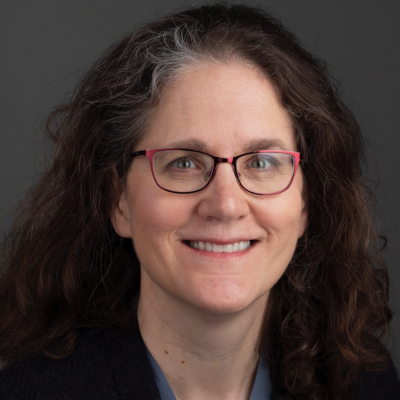
Session 7: Incretins, Metabolic Surgery, and Hypoglycemia: Lessons About Intestinal Control of Glucose Metabolism
This session focuses on intestinal control of glucose metabolism, including (1) how incretin hormones derived from the intestine are now being used as treatments for obesity and diabetes, (2) how changing the anatomy of the intestine alters glucose metabolism, and (3) how sometimes these mechanisms are exaggerated and can even cause low blood glucose.
Monday, August 10, 2026
11:00 AM — 11:35 AM
Dr. Mary-Elizabeth Patti
Harvard Medical School
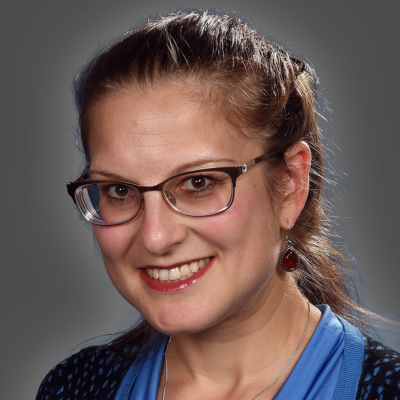
Session 8: Bridging the Evidence Gap: Real-World Data as a Tool for High-Quality, Accessible, and Sustainable Diabetes Care
More than 40 million Americans live with diabetes, yet despite remarkable innovations in medications and technology, health outcomes have plateaued—or even worsened—for many. This session focuses on 3 critical questions: who is being left behind, why, and what can we do about it? This session shares how Dr. McCoy’s research uses real-world data to uncover the multi-level drivers behind these stalled outcomes, from individual and clinical factors to health system and community-level barriers to care. This session closes by showing how these insights inform interventions at the clinic, health system, and population levels to ensure that innovation in diabetes care translates into better outcomes for everyone, not just those who can most easily access it.
Monday, August 10, 2026
11:40 AM — 12:15 PM
Dr. Rozalina McCoy
University of Maryland School of Medicine
Session 9: Early-Life Origins of Type 2 Diabetes
Wednesday, August 12, 2026
11:00 AM — 11:35 AM
Dr. Emilyn Alejandro
University of Minnesota Medical School
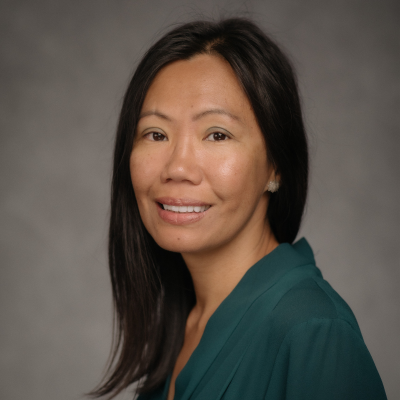
Some individuals are born with an increased susceptibility to type 2 diabetes due to influences during fetal development. This session explores how maternal diet and placental function shape the development of pancreatic β-cell mass and establish the metabolic set points of peripheral tissues. Understanding these early-life mechanisms provides insight into how the prenatal environment programs lifelong risk for type 2 diabetes.
Session 10: Update on Advanced Diabetes Technologies Use in Type 1 and Type 2 Diabetes
Wednesday, August 12, 2026
11:40 AM — 12:15 PM
Dr. Lori Laffel
Harvard Medical School
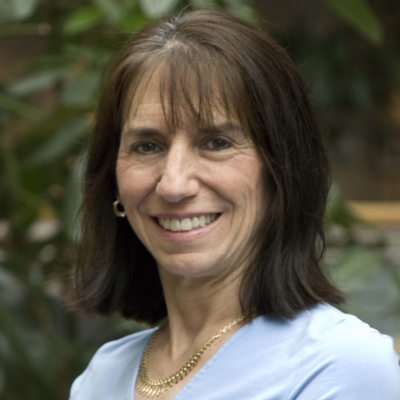
This session reviews recent updates and approvals of advanced diabetes technologies for persons with diabetes across the lifespan. There is a review of automated insulin delivery systems, including system enhancements to further improve glycemic outcomes while reducing self-care burden. There is also a review of continuous glucose monitoring in adults with type 2 diabetes not treated with insulin and the safe use of diabetes technology in persons with type 1 diabetes and executive function challenges.
Session 11: Role of Inflammation in Type 2 Diabetes and Fatty Liver Disease
Friday, August 14, 2026
11:00 AM — 11:50 AM
Dr. Jason Kim
University of Massachusetts Chan Medical School
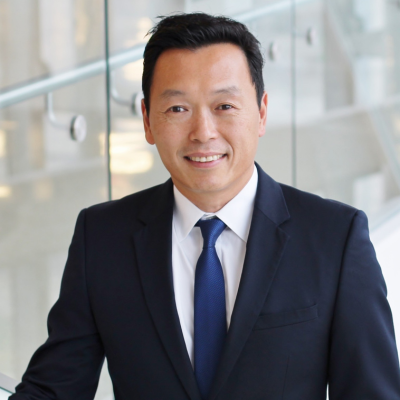
This session introduces the topic of obesity, multifactorial causes for the rising obesity rates, and the danger of excess weight gain during pregnancy. The session presents inflammation in obesity and the molecular link between inflammation, insulin resistance, and type 2 diabetes. The session further discusses fatty liver disease as a major comorbidity of diabetes and how inflammation is also involved in the progression of fatty liver to metabolic dysfunction-associated steatohepatitis (MASH). Our recent work published in Nature Communications will be highlighted. The session ends with our latest NIH-funded research studying an important biological connection between Alzheimer’s disease and diabetes.
Session 12: Preparing for a Career in Science and Medicine
Friday, August 14, 2026
11:50 AM — 12:30 PM
Dr. Jason Kim
University of Massachusetts Chan Medical School

This session introduces how high school and college students can explore their interests in science and medicine, and how college activities can be organized to prepare for medical school and graduate school. The session presents the admissions process for medical school and graduate school and their curriculum, clinical residency and fellowship programs, and the academic tenure process. The session further discusses how to develop a scientific concept into an impactful research project, write an NIH grant, and succeed at different stages of an academic career. The session ends with challenges that lie ahead in academic medicine and research, and the passion and service that define this lifelong profession. This session supports people at all stages of their educational and professional careers.
Session 13: Closing Session
Friday, August 14, 2026
12:30 PM — 1 PM
Lauren Kim, Allison Kim, and Dr. Jason Kim
University of Massachusetts Chan Medical School
The Closing Session summarizes the program and the process of receiving a program certificate, collects attendee evaluations and polls, and discusses future opportunities.
Diabetes Virtual Camp is supported in-part by: